Plants in our Coastal Douglas-fir Zone
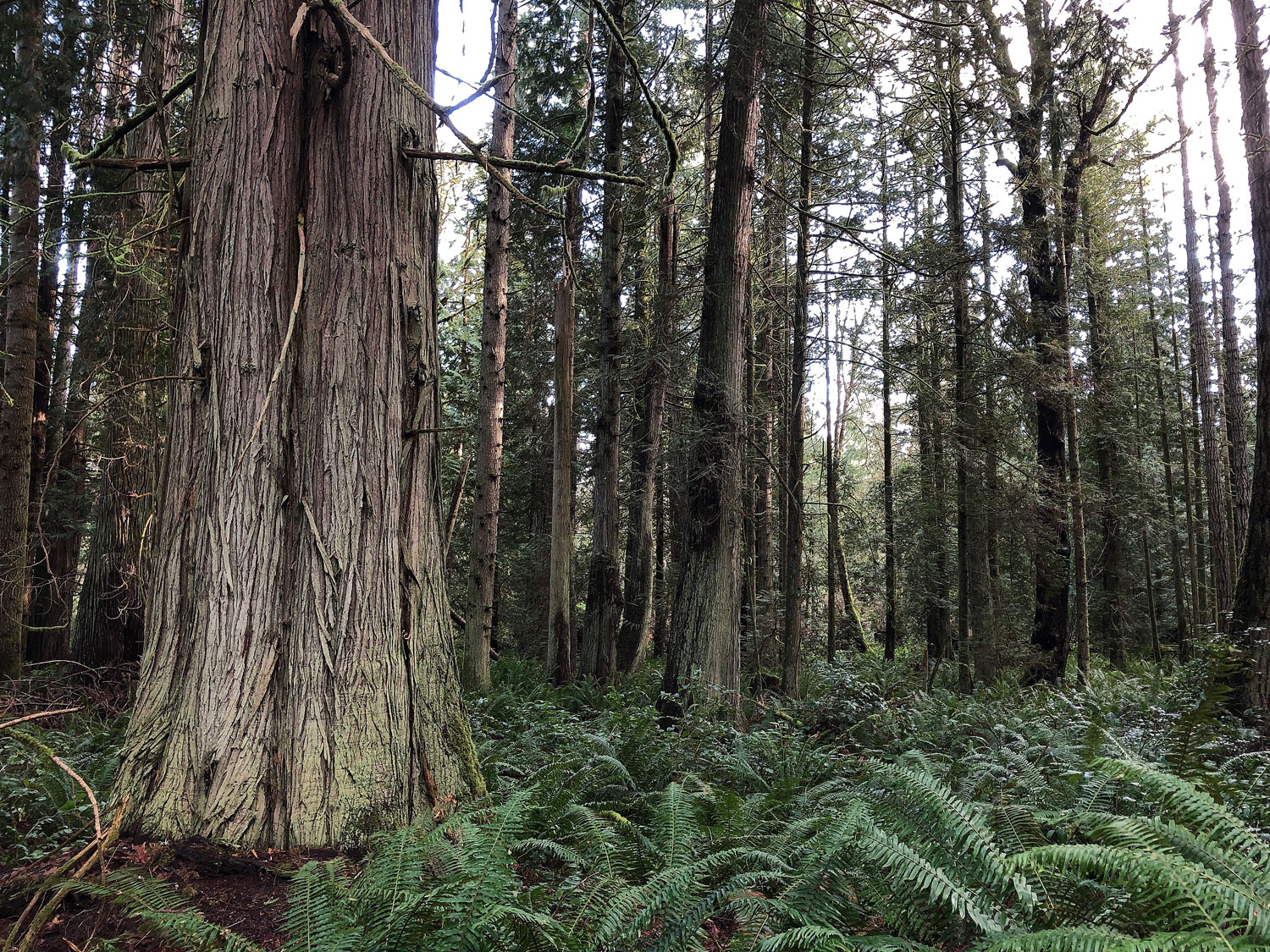
Coastal Douglas-fir ecosystems are among BC’s most imperilled coastal ecosystems. Being highly accessible, they were the first coastal forests to be targeted for corporate logging or cleared for agricultural and urban development. Only about 0.5% of the land base formerly occupied by CDF forest is now composed of “older forest” (greater than 120 years old). S’ul-hween-X’Pey (Elder Cedar) Nature Reserve is a rare and fine Gulf Island example of an older CDF forested ecosystem.
Gabriola’s most common flora
Hundreds of species of wild flowers can be found on Gabriola, but a few dominate. The Gabriola Museum grounds contain many of those less rare species.
- GaLTT member Phyllis Fafard has maintained a list of Gabriola native and naturalized flora (PDF download) spotted on our island over the last thirty years, with help from several visiting botanists and plant enthusiasts. In 2022 Phyllis updated her list referencing the 2018 edition of Flora of the Pacific Northwest, by C. Leo Hitchcock, Arthur Cronquist and others. (NOTE: Asterisks (*) indicate introduced taxa and bold type indicates either “red listed” (endangered) or “blue listed” (at risk) plants. Mosses and lichens are not included in this list.)
- GaLTT member Nick Doe closely observed Coats Marsh Regional Park between 2015 and 2021 and you can also download Nick’s observations of Coats Marsh flora.
You may see photos and locations of the largest native tree species on Gabriola in our Big Tree Registry.
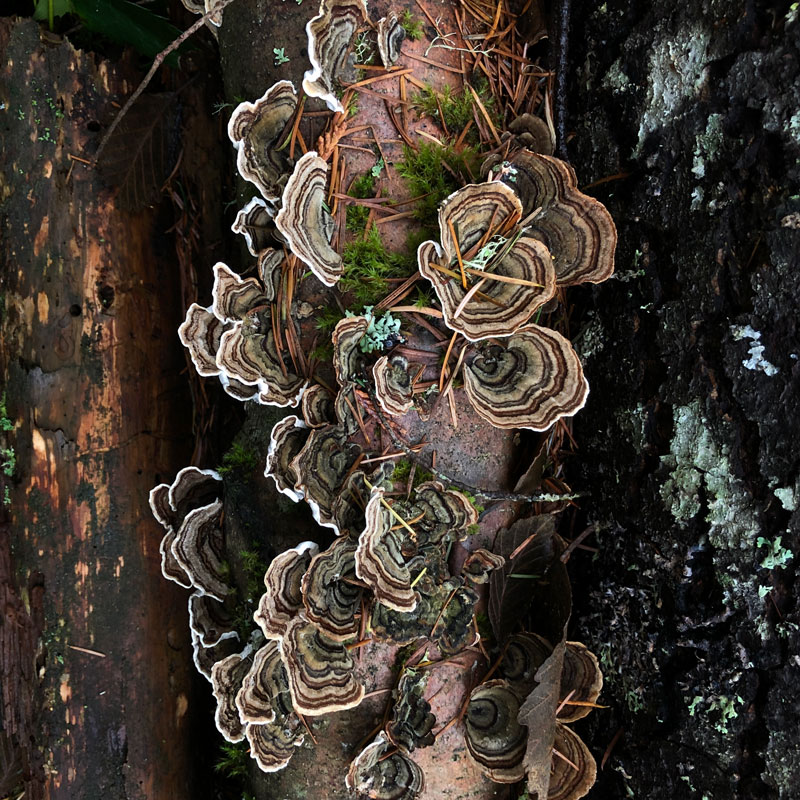
Danny Henslowe runs the Facebook group Gabriola Island Fungi Forum—a great local resource! He reports he has a list of over 300 species that have been observed on Gabriola
Danny says: “Most Pacific Northwestern species of fungi have overlapping distribution areas from northern California all the way to Southern Alaska.” He also commented that Amanita phalloides has never been reliably observed on any of the Gulf Islands, although it is found near Victoria.
He and others on the forum can probably tell you what’s in this picture. If not, several good reference books are widely available. If you food-forage always be VERY careful and cross-reference several sources.
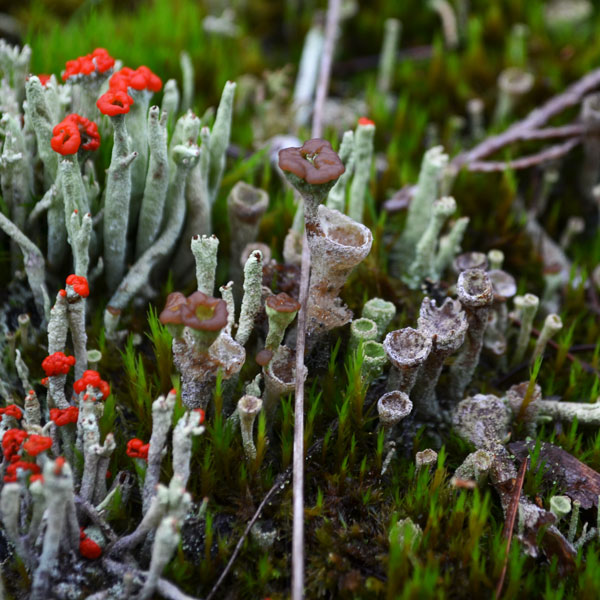
Do you know your lichens? Most people don’t—and there are a lot of them. At least 1300 species have been identified in BC. Lichens are a symbiotic association between fungi and algae, slow-growing (they can live for centuries) and an important part of ecological relationships.
CRD Regional Parks naturalists have created guides for commonly encountered species; click the “Regional Parks” tab on their Resources for Educators page to find them, or download the guide to common lichens directly. This guide features nine of the most common types of lichen found on Southern Vancouver Island. Look for frecklepelt, ragbag or wolf lichen on your next outing!
Douglas-fir
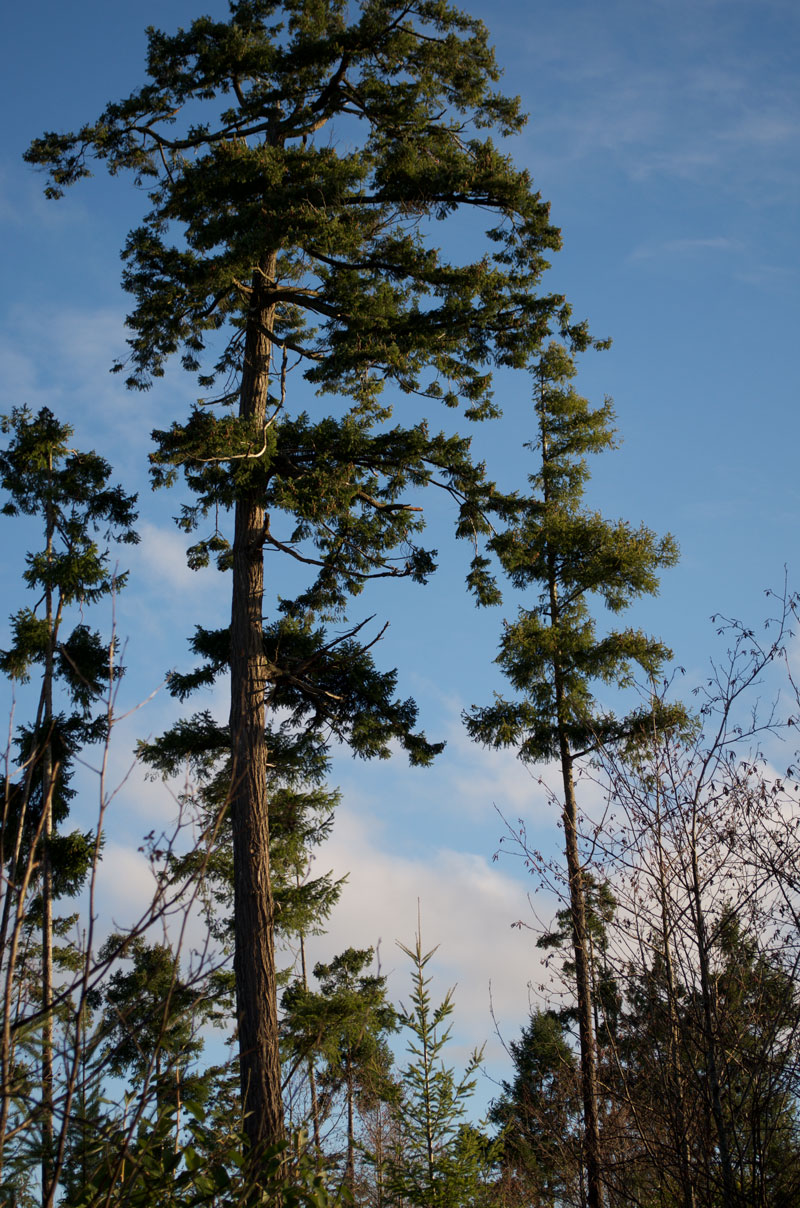
Because Gabriola Island is within the Coastal Douglas-fir ecological zone (CDF zone), the Douglas-fir reigns supreme except in the very wettest sites.
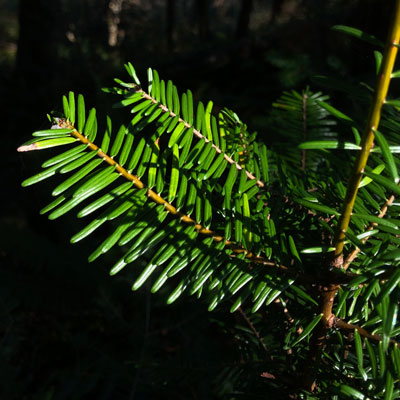
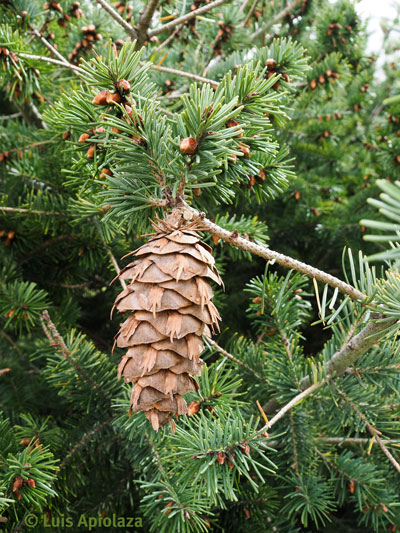
Douglas-fir cones are unmistakable—look for the little “mouse tails” poking out from under each scale. (Photo © Luis Apiolaza, CC BY-SA 4.0)
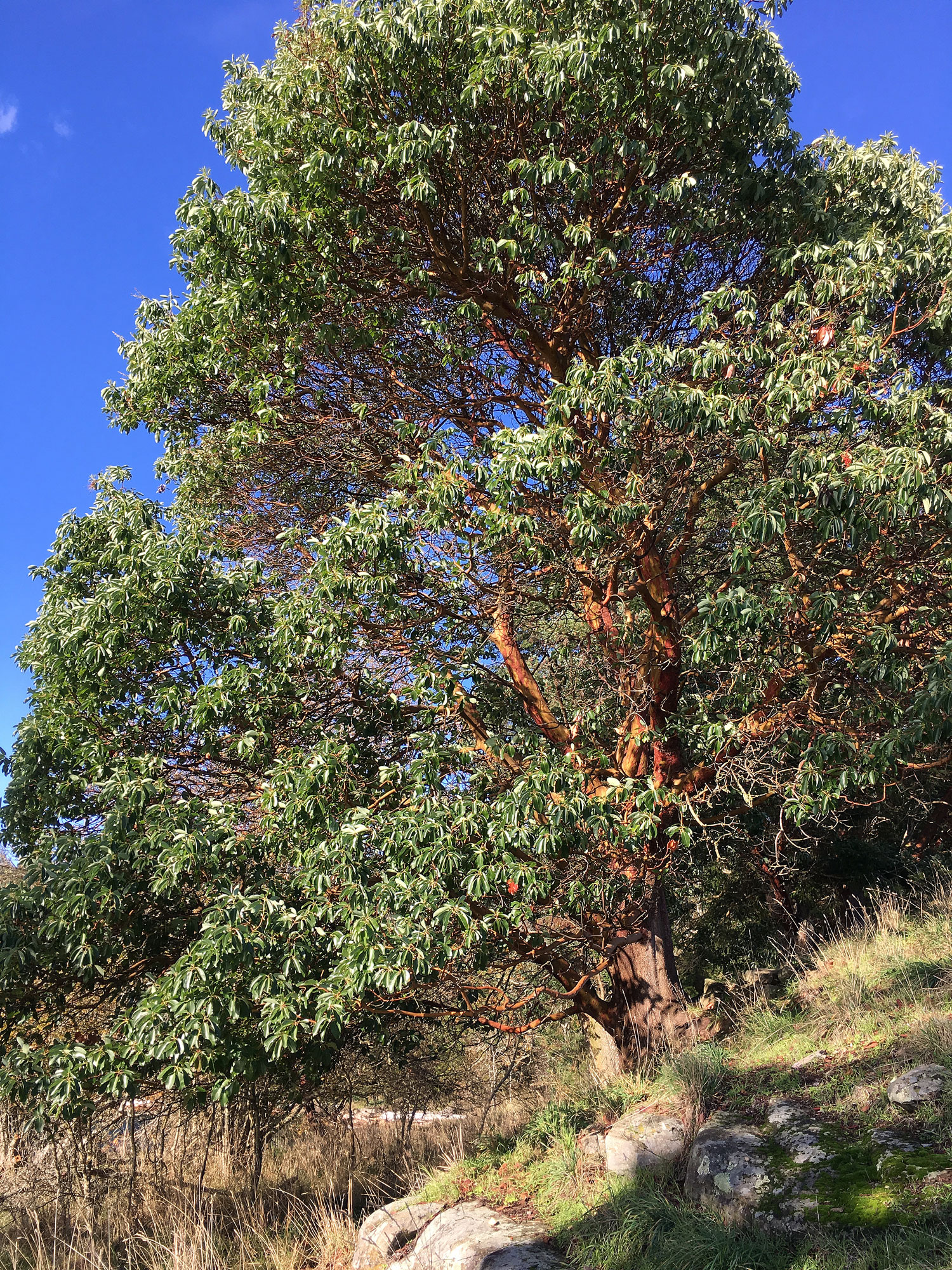
Above: A particularly lovely arbutus at Drumbeg Provincial Park
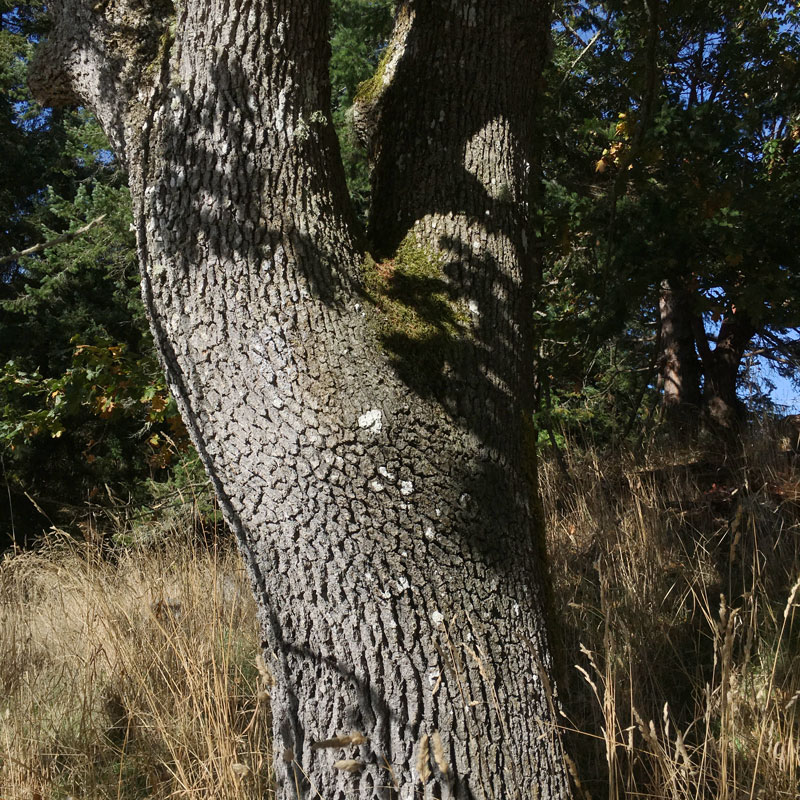
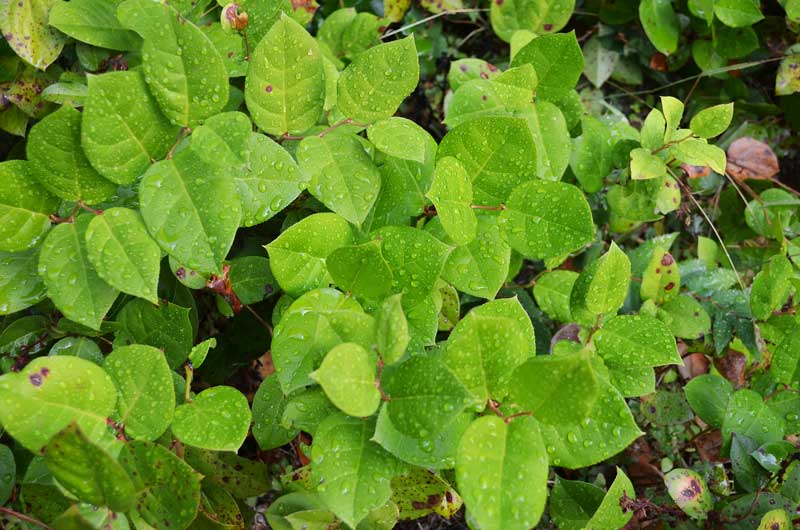
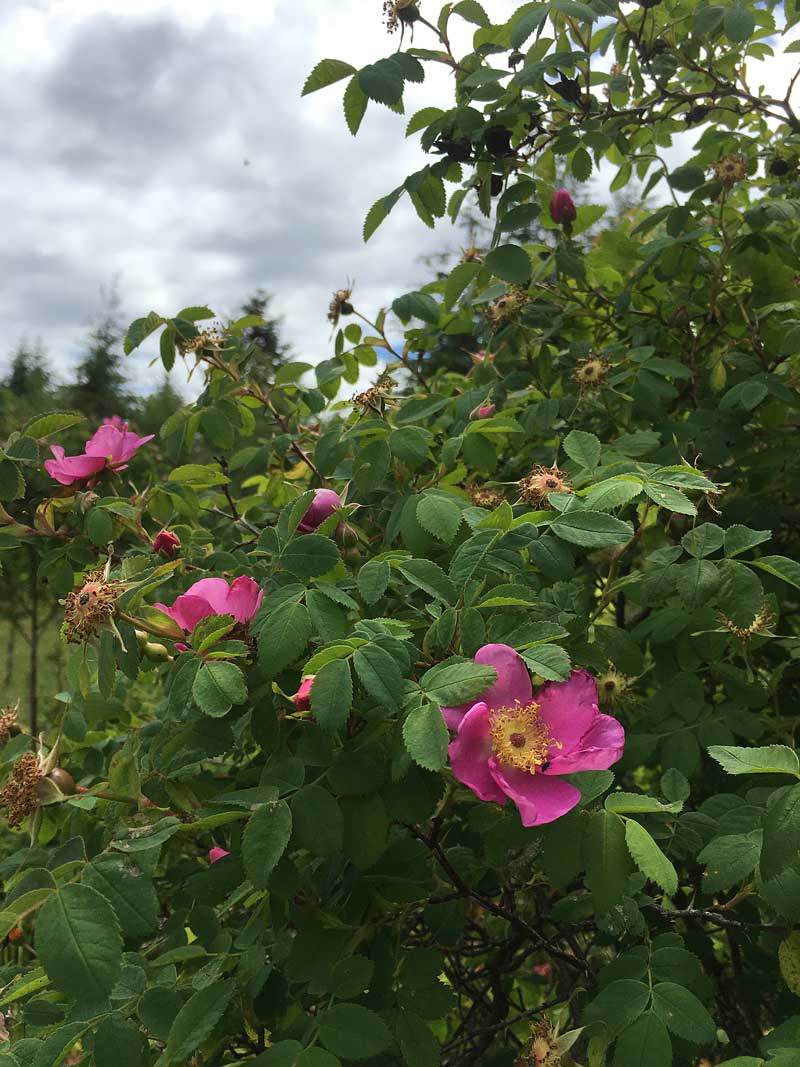
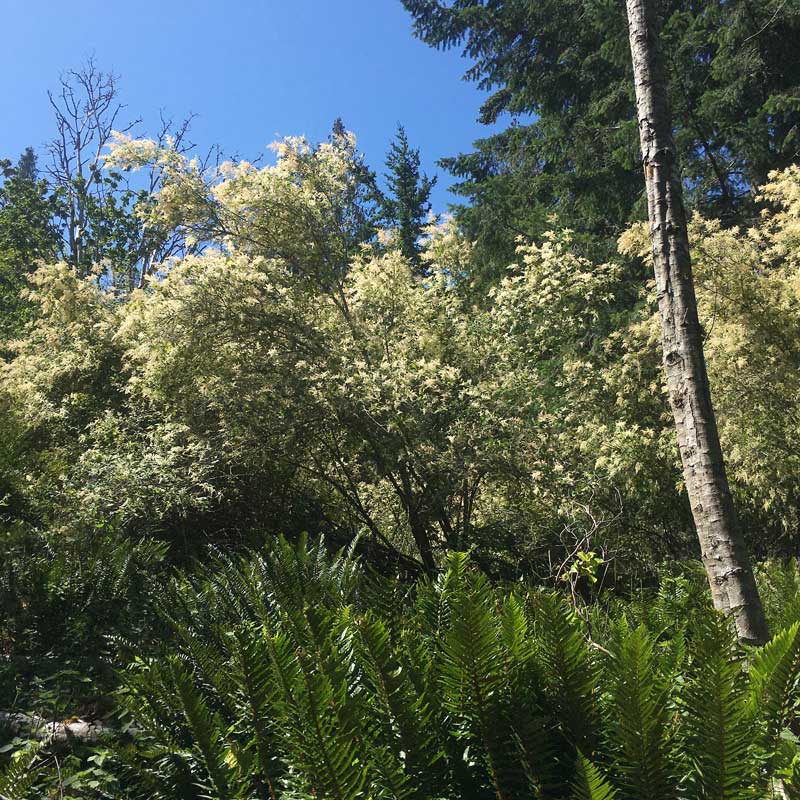
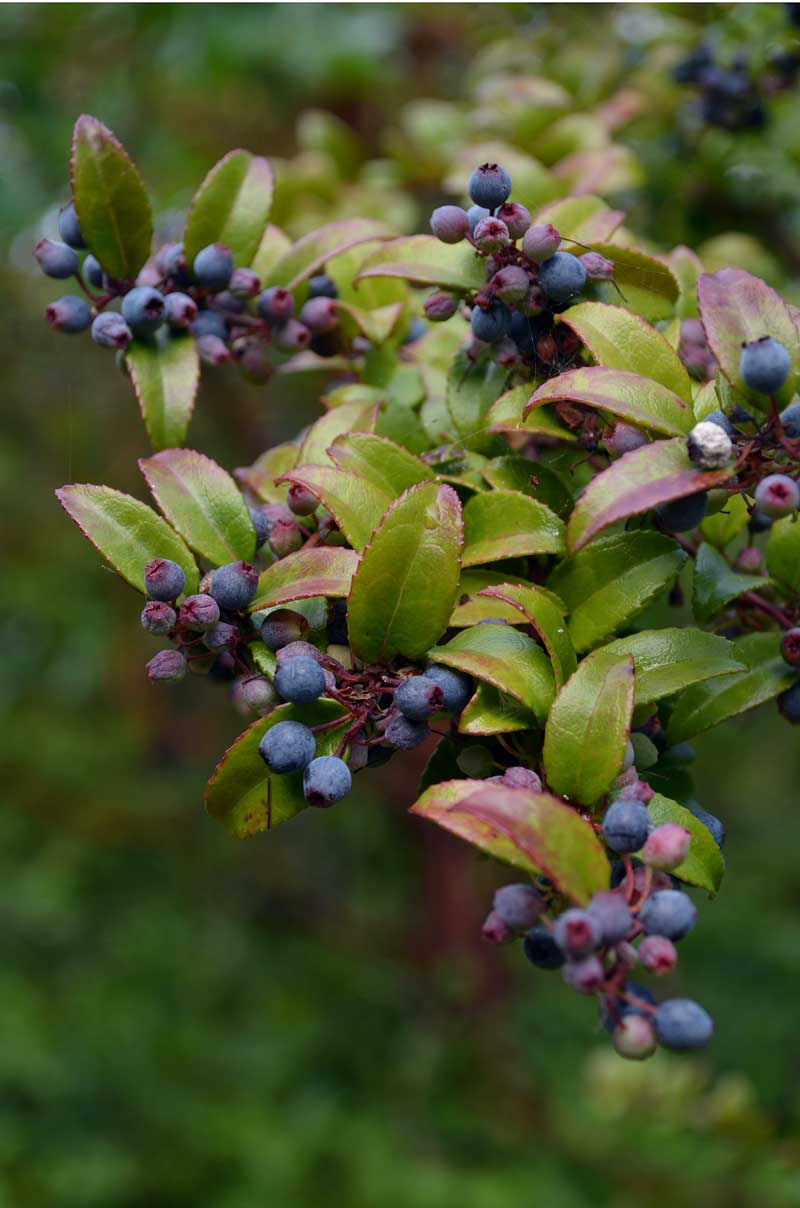
But the Douglas-fir isn’t lonely. On drier sites and rocky outcrops, arbutus, Garry oak, and shore pine often grow alongside it. Salal, Oregon grape, evergreen huckleberry, wild rose, snowberry, and ocean spray are common shrubs on drier sites.
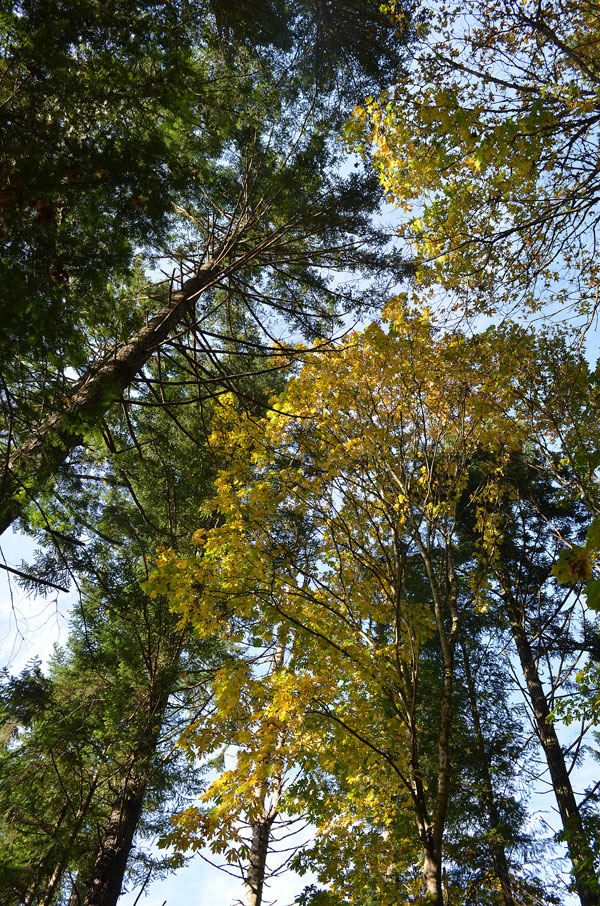
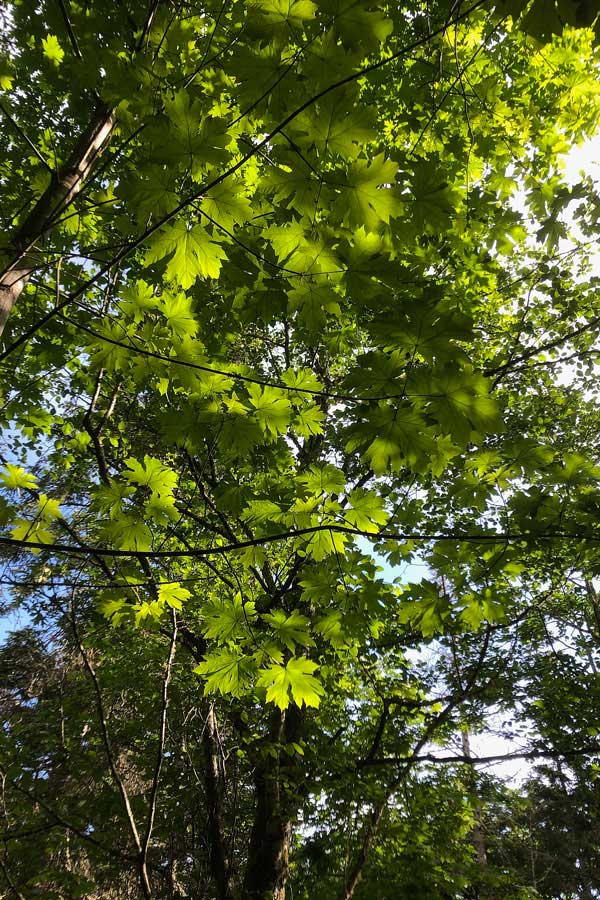
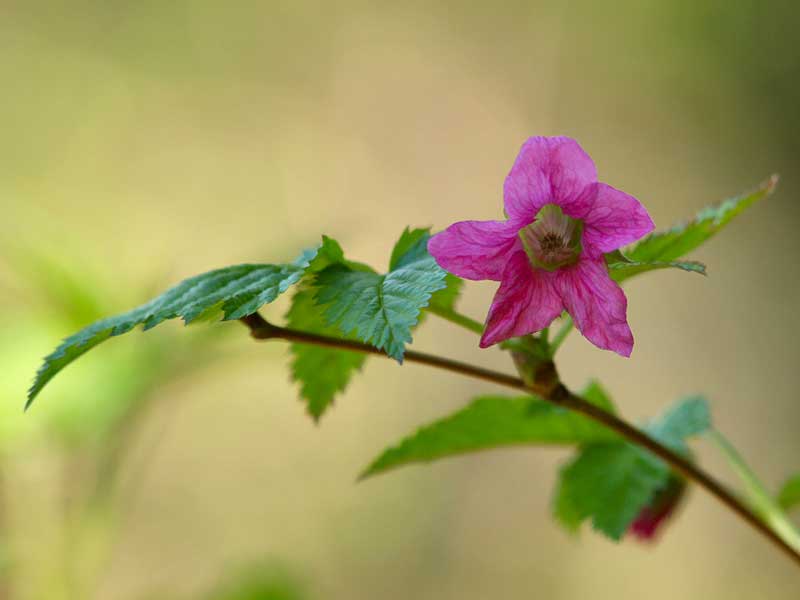
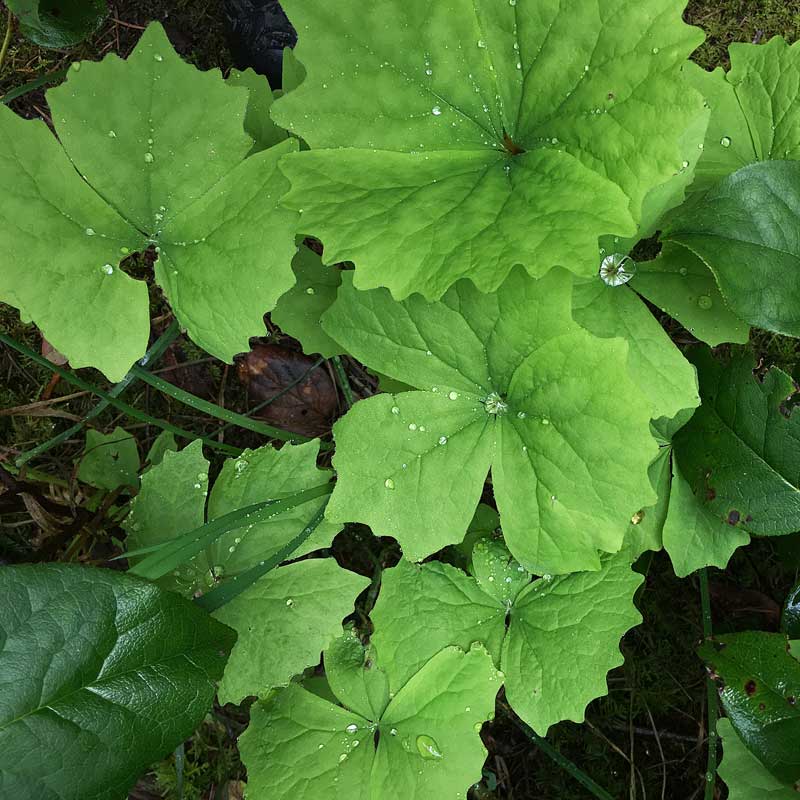
In moister ecosystems, western red cedar, western hemlock, grand fir, big-leaf maple, red alder, and western flowering dogwood are common forest canopy associates of Douglas-fir, along with understorey shrubs such as salmonberry, thimbleberry, red elderberry, and Indian plum. Common herbaceous plants on moist sites include sword fern, vanilla leaf, western trillium, and three-leaved foamflower.
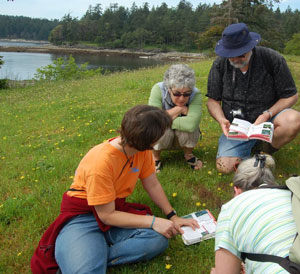
Plants found in Drumbeg Park, May 2008
In 2008 GaLTT invited Dr Brenda Beckwith from the School of Environmental Studies, University of Victoria, to visit Gabriola. Later, she sent us a list of the plants (including some non-natives and invasives) that she remembered seeing in Drumbeg Park during her visit, noting that she hadn’t listed them all.
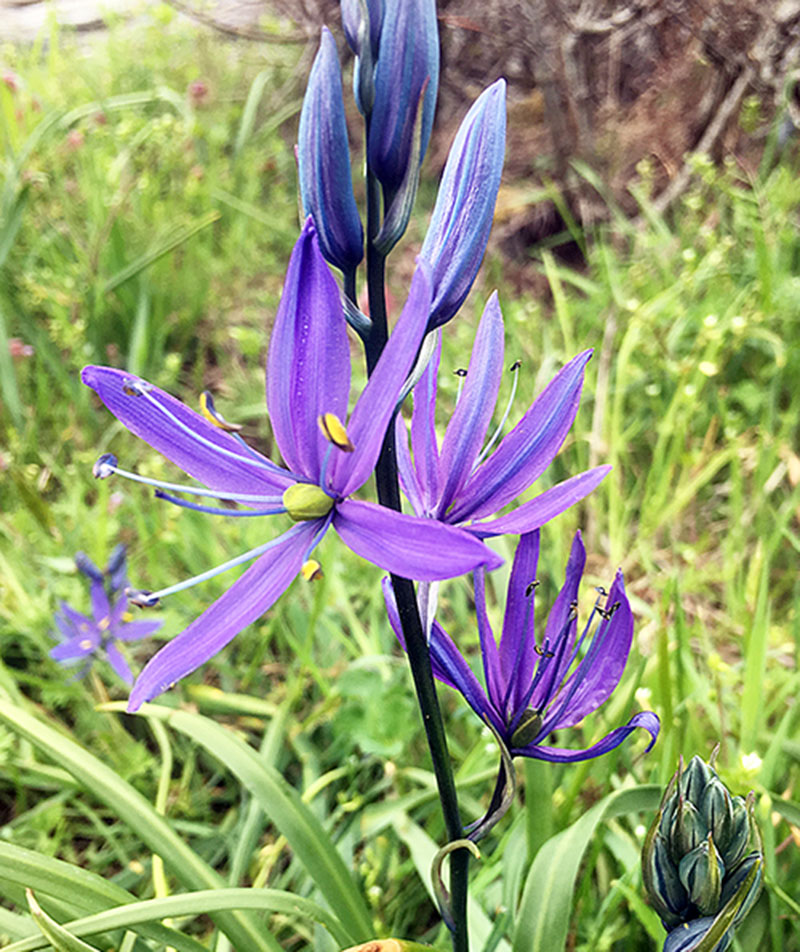
Common camas (Camassia quamash)
Nice expanse on site and no doubt more will be discovered as the invasive shrubs are removed. Population is threatened by trampling. Remember to identify this species by its withering “frizzy” looking petals and exposed ovaries.
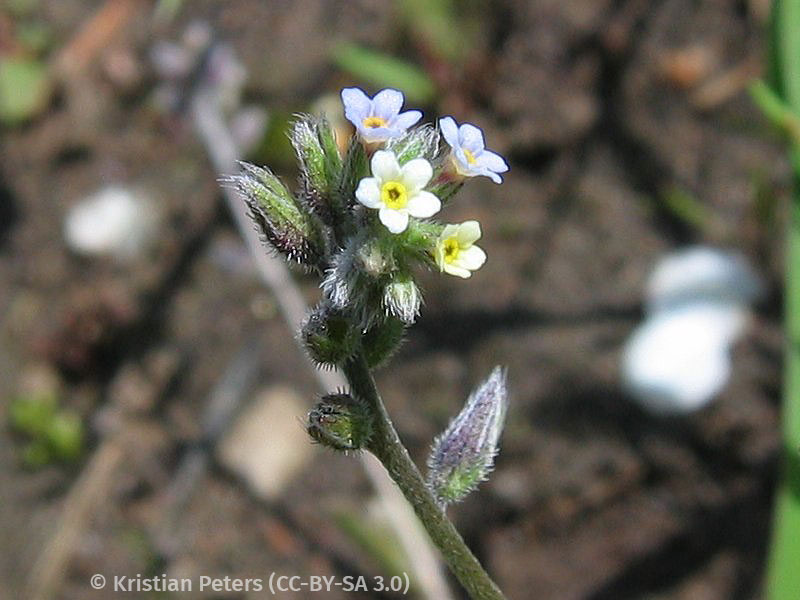
Common forget-me-not (Myosotis discolor)
I think I called this little plant “small-flowered forget-me-not” when I was there, but if it has both yellow and blue flowers, then it’s the introduced common variety. I suspect it is. Forget-me-nots have flowers that uncoil like a scorpion’s tail.
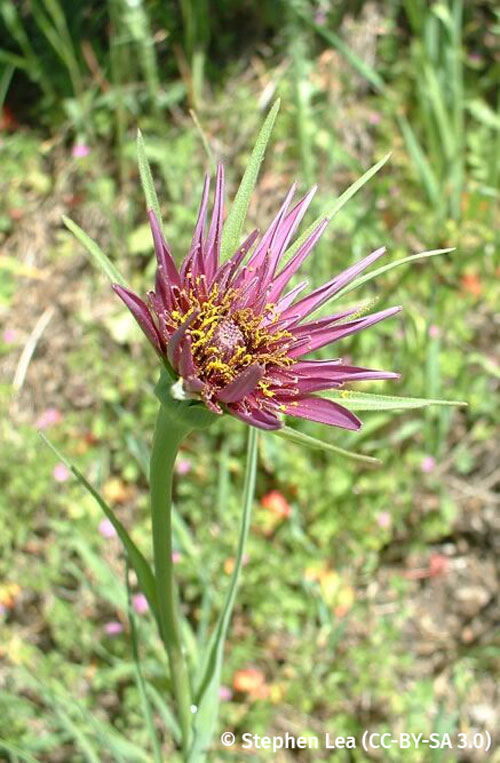
Common salsify or oyster plant (Tragopogon porrifolius)
Found along trail leading back to the parking lot. Its cousin, yellow salsify (T. dubius), is considered an invasive plant in the region, and this one would likely be as well.
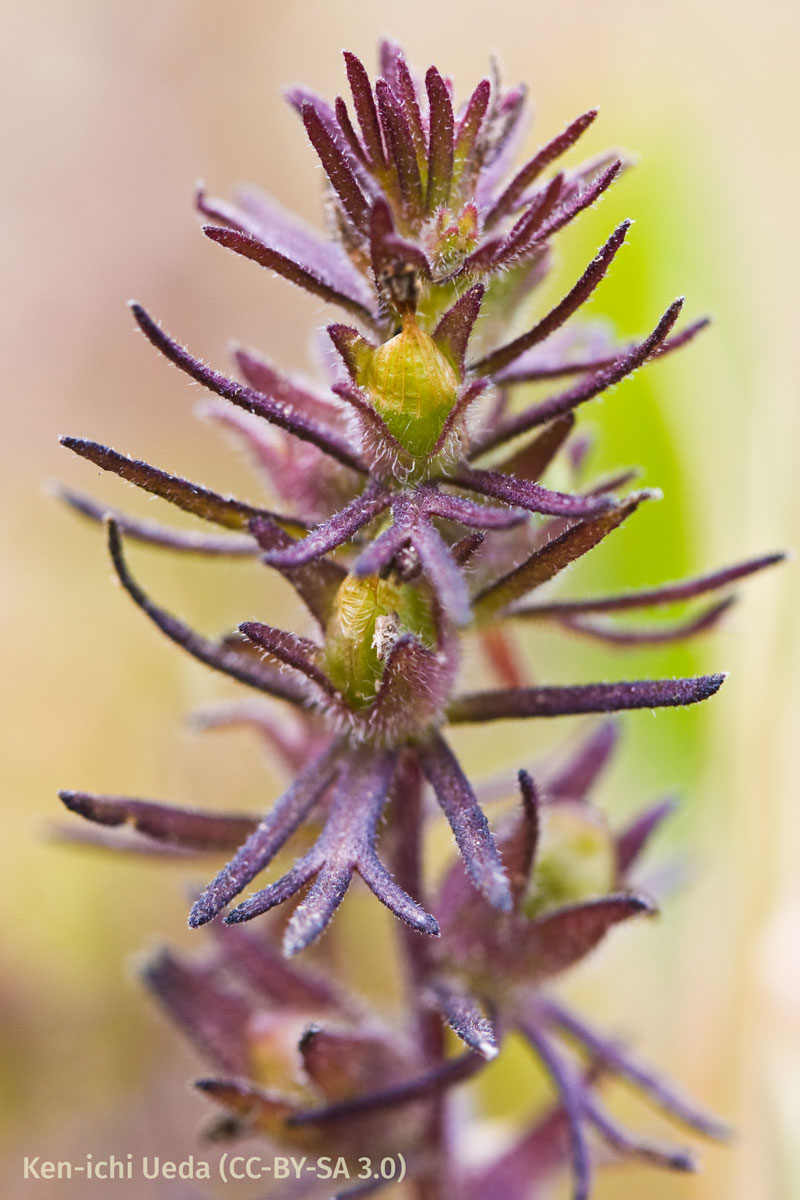
Dwarf owl’s clover (Orthocarpus pusillus = Triphysaria pusilla)
Cute little plant with purplish tint.
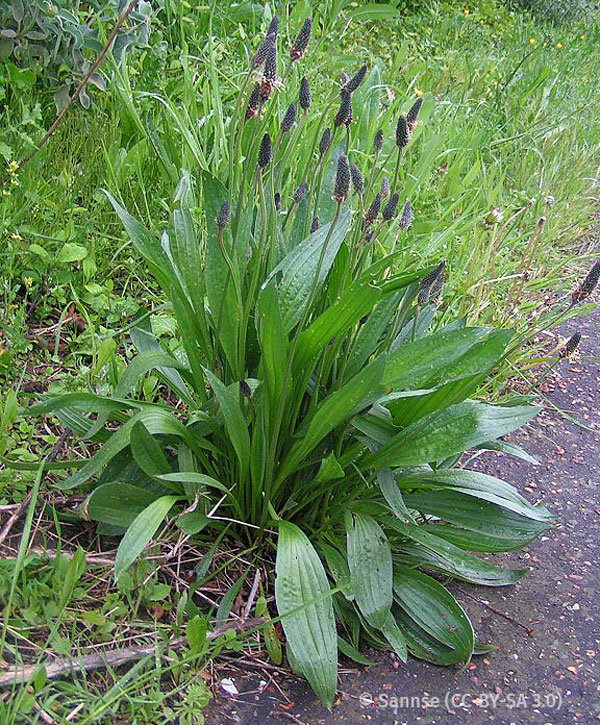
English plantain (Plantago lanceolata)
Introduced weed common throughout the area. It had greenish flowers that I showed some how to shoot across the meadow.
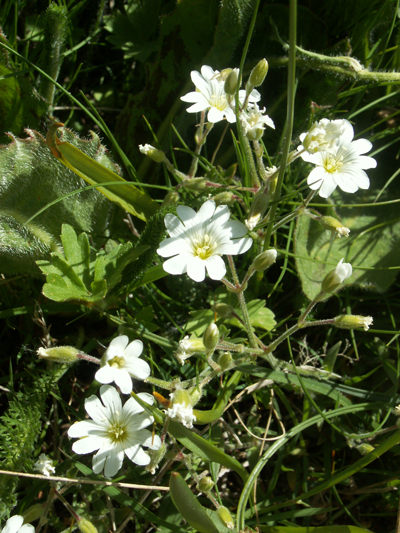
Field chickweed (Cerastium arvense)
This is a native perennial chickweed and a nice unexpected addition to the meadow.
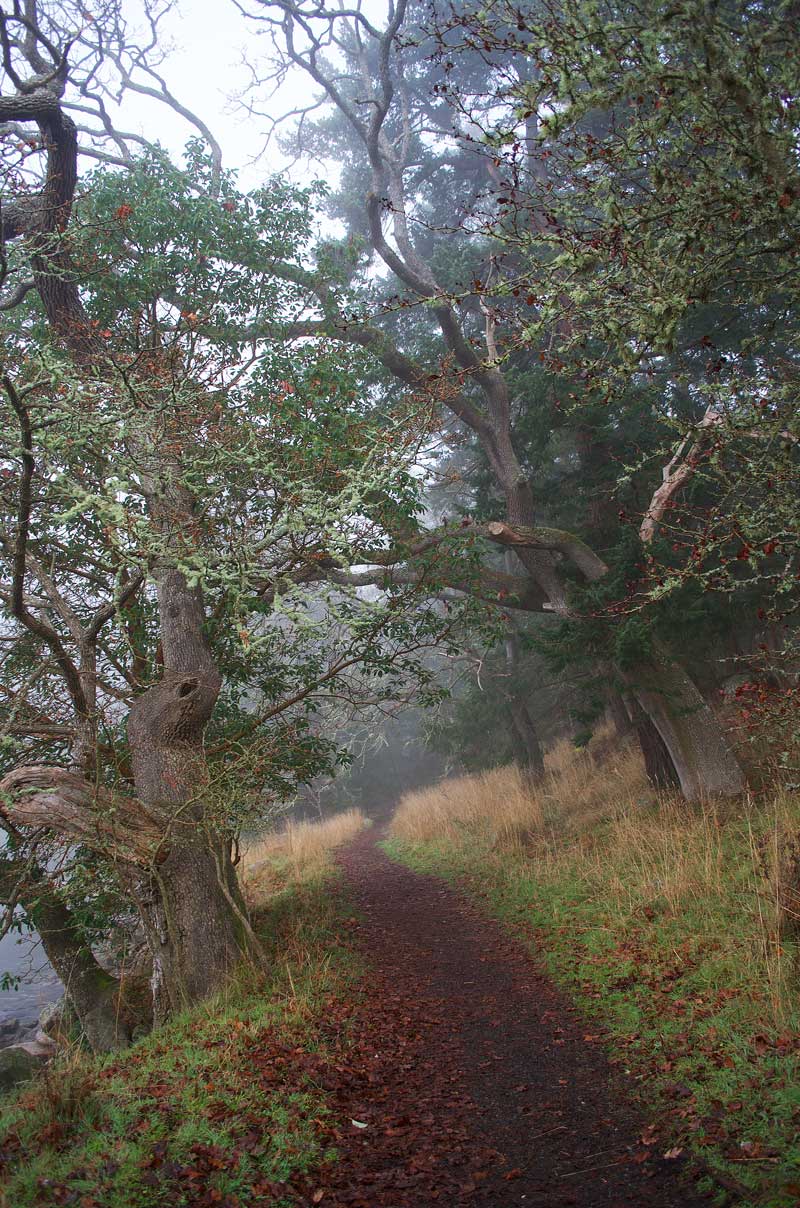
Garry oak (Quercus garryana)
There are several small oaks in the area with recently cut broom. Protect these trees by fencing or establishing plastic tubes around them and mulching them.
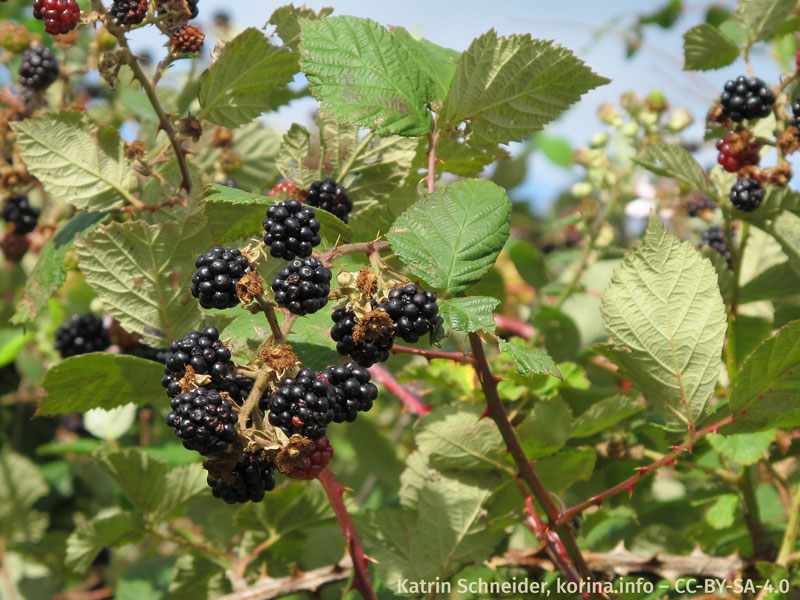
Himalayan blackberry (Rubus discolor or Rubus armeniacus)
The large patch of blackberry is problematic. There are likely other plants suppressed by the blackberry, trying to grow underneath. Do we sacrifice them by piling broom on top? If broom is piled on the blackberry it may suppress the blackberry but it might result in a localized ecological black hole in the area for some time.
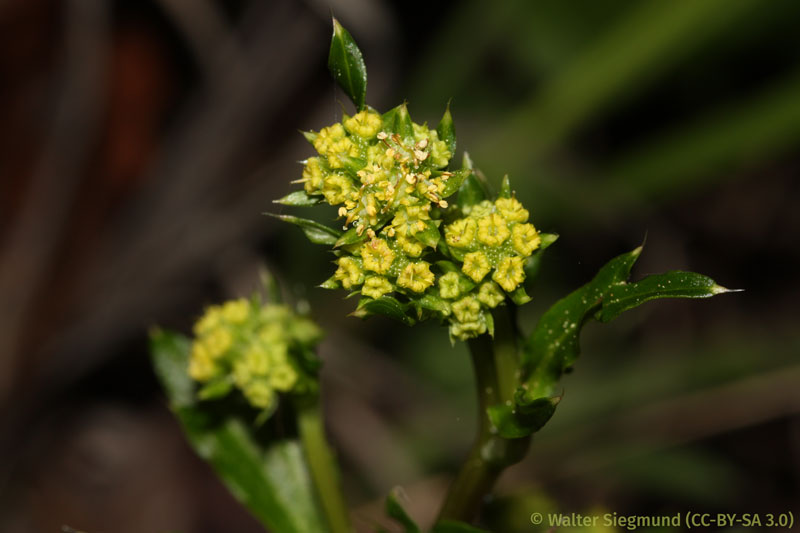
Pacific sanicle (Sanicula crassicaulis)
One of the most successful native forbs; not very showy, but highly adaptable and tolerant of disturbance.
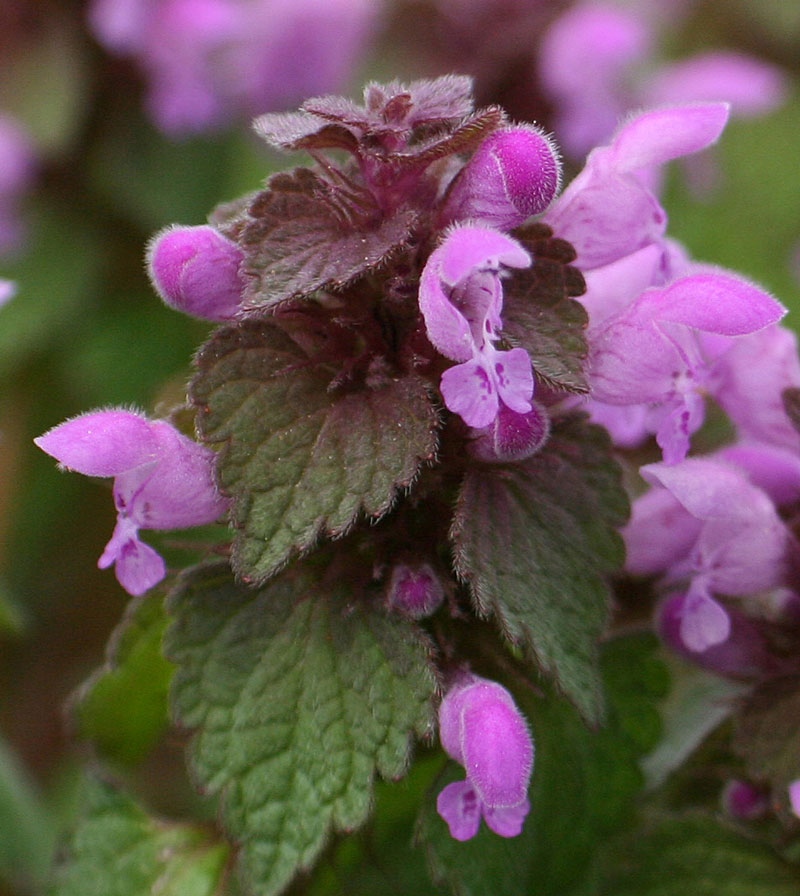
Purple dead-nettle (Lamium purpureum)
This is the one with square stems, indicating that it’s in the mint family (but not edible).
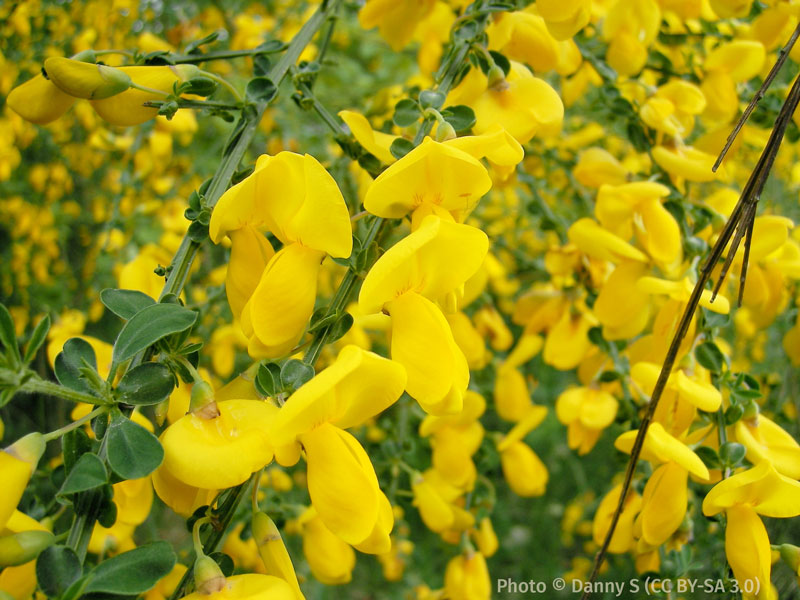
Scotch broom (Cytisus scoparius)
A tremendous job cutting broom has already been done on site! In terms of the timing of management, larger broom should be cut at or below ground level just after flowering in the summer, and smaller broom plants can be pulled in the Fall when the risk of soil disturbance is reduced. If possible, the [cut] broom should be removed from the site.
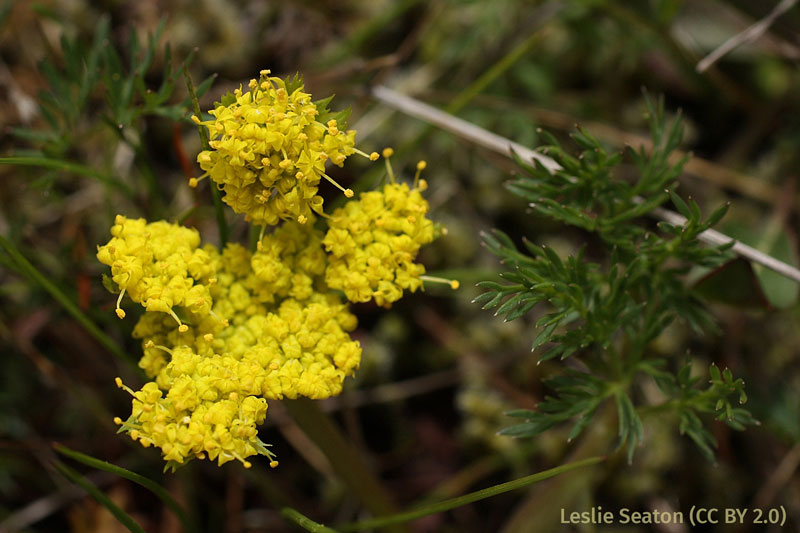
Spring gold (Lomatium utriculatum)
Low-growing plants with concave, beautiful umbels of little yellow flowers. It’s doing quite well after its release from the broom, but could be easily trampled.
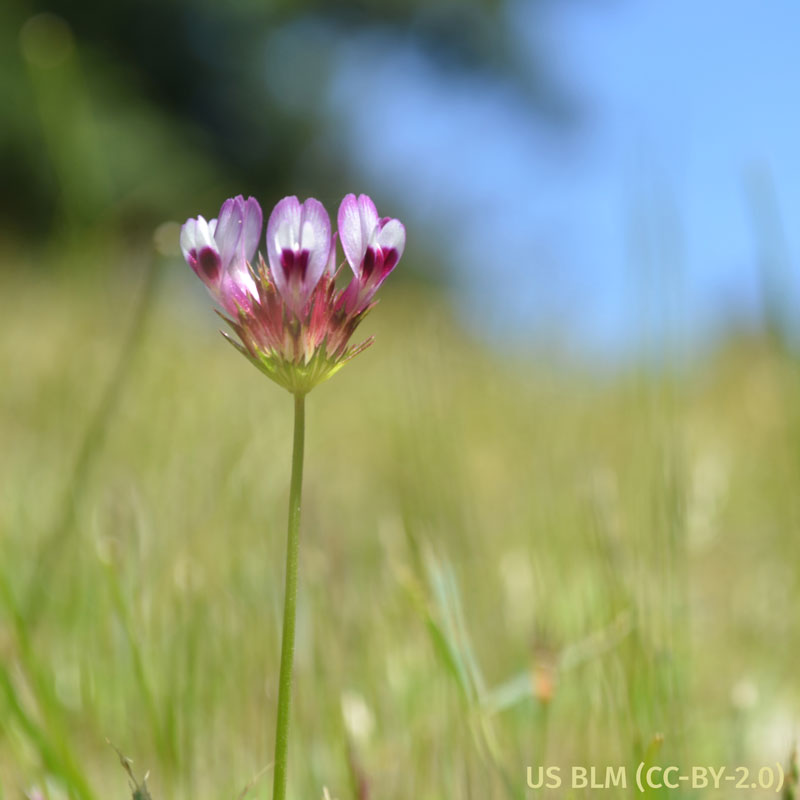
Tomcat clover (Trifolium willdenowii)
A showy little native clover. Sometimes mistaken for the perennial springbank clover (T. wormskjoldii), but this one is annual. Enjoy it while it lasts.
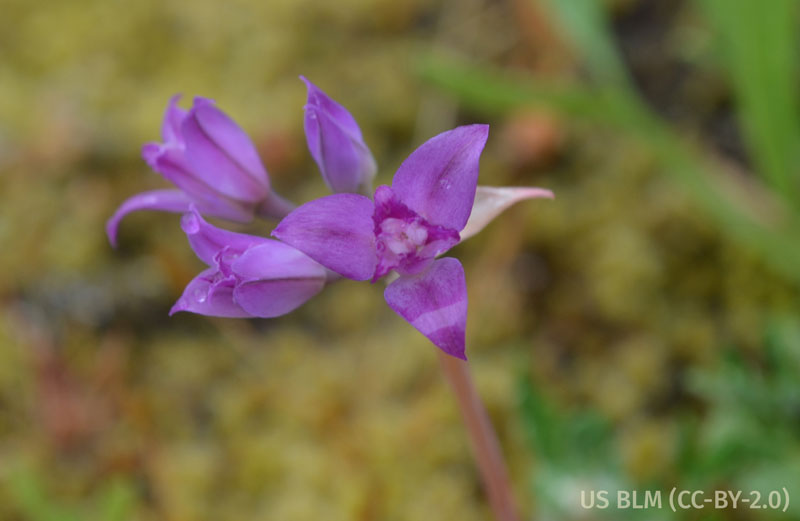
Wild Onion
LEFT: Hooker’s onion (Allium acuminatum)
RIGHT: Nodding onion (Allium cernum)
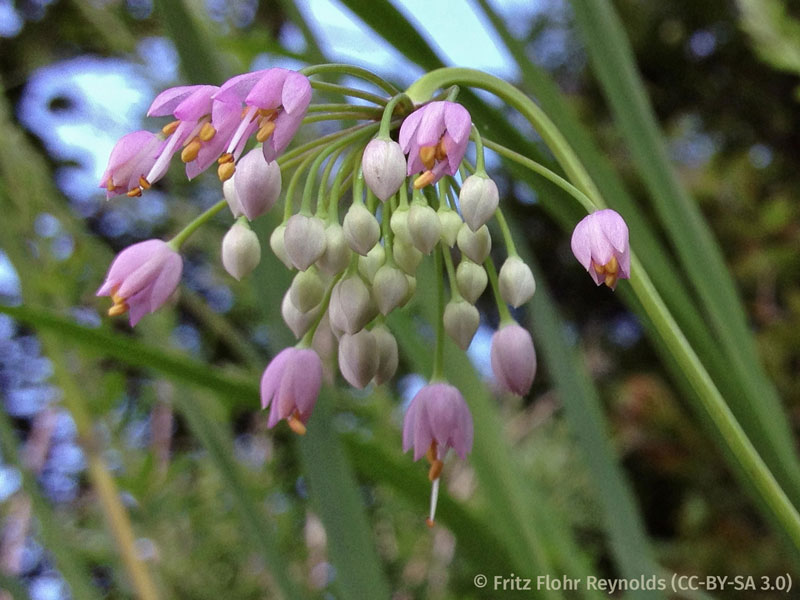
I was unable to determine species as the plants were still in bud. Looked like a widespread population. Susceptible to trampling; as the meadow is further developed and revealed [you] may want to explore some possibilities to keep people out, especially at critical times of the year.